Solar Site Visit Checklist for Businesses | PickRenew
Preparing for Your Solar Site Visit: A Checklist for
Business Owners
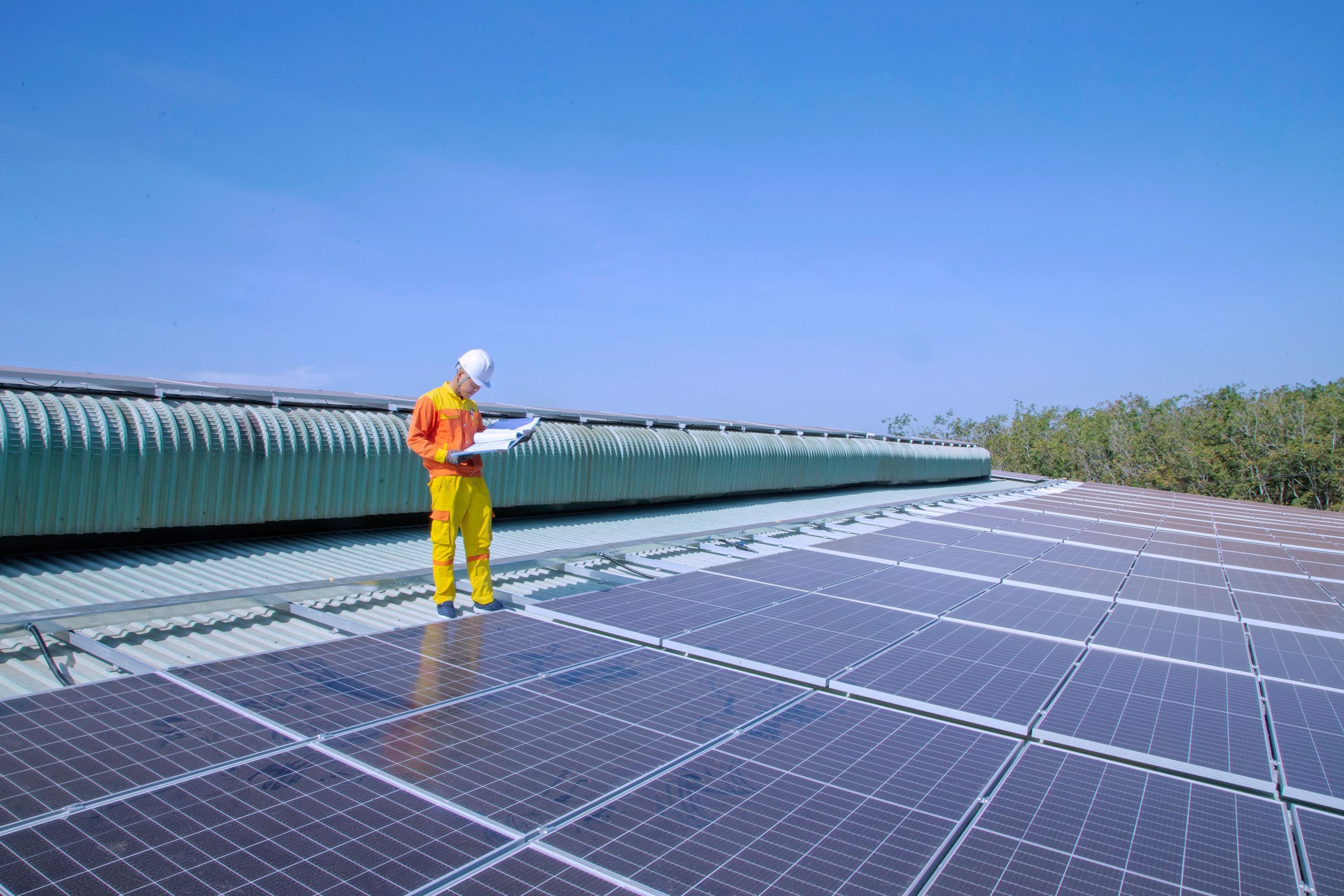
The site visit is the moment when a solar project moves from conversation to reality. A team
of engineers visits your facility, studies the roof or land and the electrical setup, and gathers
the facts needed to design your plant. How well you prepare for this visit has a direct effect
on the quality and speed of everything that follows.
This guide explains what happens during a solar site survey, what to have ready and which
questions to ask, so you can get the most from it.
1. Why the Site Visit Matters
A solar proposal prepared without visiting the site is built on assumptions. A proper survey
replaces those with facts about your roof, shading, structure and electrical system. It helps
avoid surprises later, supports accurate generation and savings estimates and forms the
foundation of a sound design.
2. Who Should Be Present
It helps if a few people from your side are available during the visit. Ideally, this includes
someone who understands the facility’s operations, someone who knows the electrical
setup, such as the maintenance or electrical head, and a decision-maker who can approve
access and answer questions. Having the right people present makes the survey faster and
more accurate.
3. Documents to Keep Ready
• Electricity bills for the last twelve months, which show your consumption, tariff category
and charges.
• Sanctioned load or contract demand details, as mentioned in your connection
documents.
• Building or roof plans, if available, including any drawings showing structure and
layout.
• Electrical layout or single-line diagram, if one exists for your facility.
• List of major equipment and their approximate operating hours.
• Property or lease documents, if the premises are leased or if permissions are needed.
If you do not have all of these, do not worry. Share what you have, and the survey team can
help identify the rest.
4. Information About Your Operations
The survey team will want to understand how your business runs. Be ready to share your
working hours and shifts, the busiest periods of the day, any seasonal patterns and any
planned expansion, such as new machines, additional floors or extra shifts. This information
shapes the size and design of the plant.
5. What the Survey Team Will Check
• Roof or land. Available area, orientation, slope and surface condition.
• Structure. Roof type and the ability to carry the additional load safely.
• Shading. Nearby buildings, trees, water tanks, ducts and other objects that cast
shadows.
• Electrical room and connection point. Where and how the plant would connect to your
system.
• Cable routes and inverter location. Practical paths and suitable positions for
equipment.
• Access and safety. How people and materials can reach the roof or installation area
safely.
6. Preparing the Site
A few simple steps make the visit smoother. Arrange safe access to the roof, including keys
and permissions. Clear any obstacles that block movement. Make sure the electrical room
can be opened and that someone is available to explain the layout. If there are safety rules
for visitors on your premises, share them in advance.
7. Questions the Survey Team May Ask
• How old is the roof, and has it been repaired or waterproofed recently?
• Are there plans to extend, modify or repair the building in the coming years?
• Where is the main electrical panel, and who maintains it?
• Are there parts of the roof that are used for other purposes?
• Do you have any restrictions on working hours or access?
8. Questions You Should Ask
The visit is also your chance to learn. Do not hesitate to ask questions about how the team
works and what they find.
• What do you see as the main strengths and limitations of my site?
• Is the roof suitable, or are repairs or strengthening needed first?
• How will shading and obstacles be handled in the design?
• What approvals will be needed, and who will manage them?
• What will I receive after the visit, and when?
9. What Happens After the Visit
After the survey, the team analyses the data and prepares a design and proposal. This
usually includes the proposed capacity, layout, expected generation, scope of work and
estimated savings. A good partner will walk you through the findings, explain any limitations
openly and answer your questions before you take a decision.
10. How Long Does a Visit Take?
The length depends on the size and complexity of the facility. A small site may need a short
visit, while a large campus or industrial plant may require more time or multiple visits. Your
survey team can tell you what to expect when you schedule it.
11. Mistakes to Avoid
• Not keeping electricity bills and basic documents ready.
• Failing to arrange safe roof access in advance.
• Leaving out information about planned expansion or changes.
• Having no one present who knows the electrical setup.
• Treating the survey as a formality instead of an opportunity.
12. A One-Page Preparation Checklist
• Electricity bills for the last twelve months are collected.
• Sanctioned load or contract demand details are available.
• Roof plans, layouts or drawings are located, if they exist.
• The person who knows the electrical setup will be present.
• Safe roof access and keys are arranged.
• Information on working hours, shifts and future expansion is noted down.
• Your questions for the survey team are written out.
13. Making the Most of the Visit
Treat the site visit as a working conversation rather than a one-sided inspection. Walk the
survey team through the facility, point out anything unusual and share past experiences,
such as roof leaks, electrical issues or areas that are often shaded. The more openly you
share, the more accurate and practical the final design will be.
Afterwards, ask for a summary of what was found. A clear record of the survey makes it
easier to compare proposals and to confirm later that the design reflects what was seen on
site.
Conclusion
A well-prepared site visit saves time, improves accuracy and leads to a stronger solar
design. By keeping the right documents ready, sharing information about your operations
and asking good questions, you help your partner understand your facility and give you a
proposal you can trust.
At PickRenew Energy, we help industrial and commercial clients with end-to-end solar EPC
solutions, from design and installation to approvals and maintenance.
Ready to find out what solar could mean for your facility? Talk to PickRenew Energy:
pickrenewenergy.in