Rooftop vs Ground-Mounted Solar for Business | PickRenew
Rooftop vs Ground-Mounted Solar: Which Is Right for
Your Business?
Once a business decides to go solar, one of the first practical questions is where the plant
should be built. For most commercial and industrial facilities, there are two main choices:
install panels on the roof of an existing building, or set them up on open land using
ground-mounted structures.
Both options can deliver strong results, but they suit different situations. The right choice
depends on your available space, the condition of your building, your energy needs and
your plans for the future. This guide explains the differences in simple terms so you can
approach the decision with confidence.
1. Understanding the Two Options
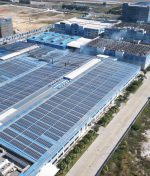
Rooftop solar uses the unused space on top of factory sheds, warehouses, offices,
hospitals or institutional buildings. Panels are fixed on structures designed for the type of
roof, whether concrete or metal sheet.
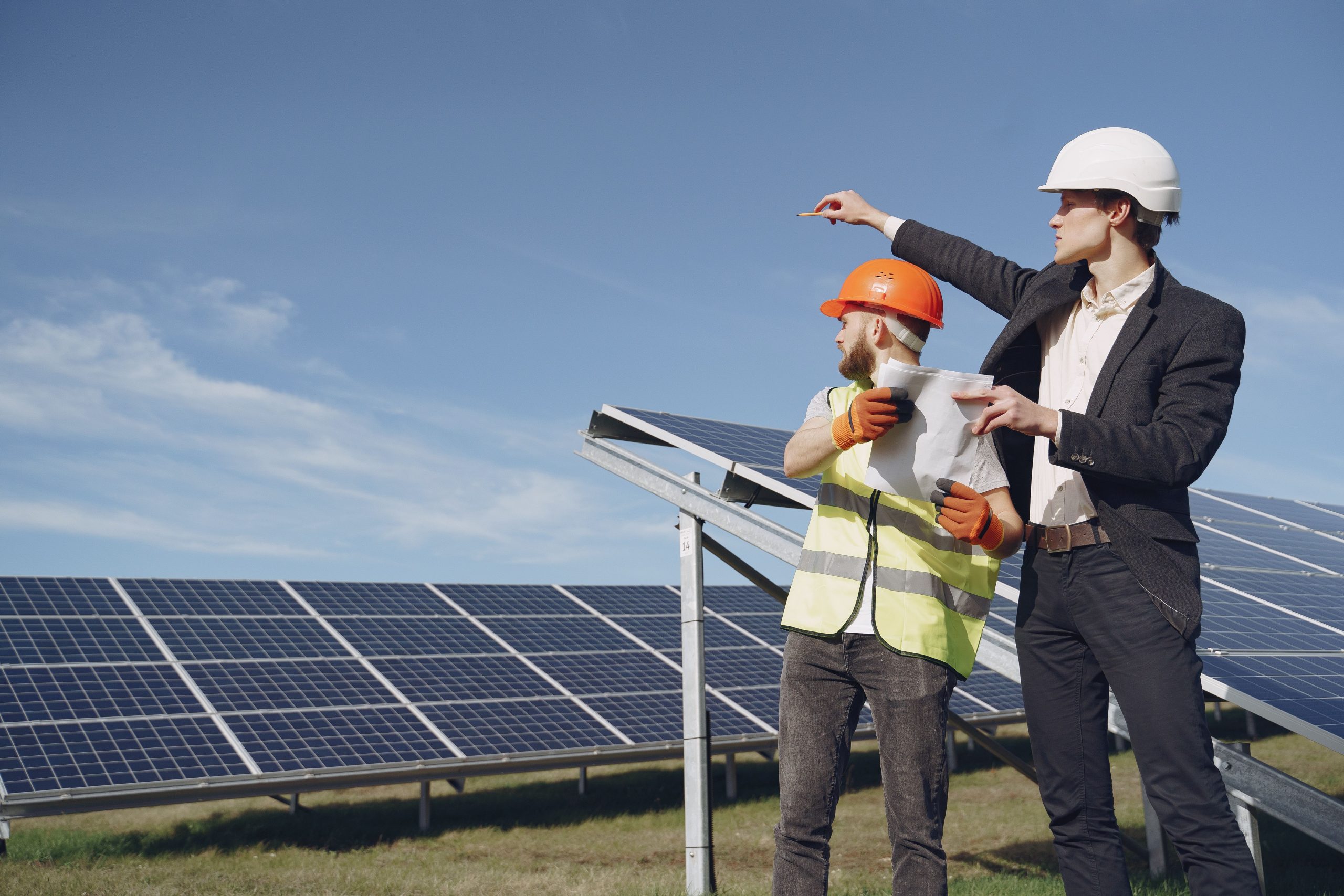
Ground-mounted solar places panels on dedicated mounting structures fixed to open land,
such as vacant plots within a factory campus or adjoining land owned by the business. The
layout is planned independently of any building.
2. Rooftop Solar: Strengths and Limitations
• Makes use of idle space. No additional land is required, which suits facilities where land
is limited or costly.
• Close to the point of use. Power is generated right where it is consumed, keeping the
system simple.
• Quicker to plan. Existing buildings often allow a straightforward layout.
On the other hand, rooftop capacity is limited by the available area, shading from nearby
structures and equipment, and the strength and age of the roof. A roof that needs major
repair soon should be addressed before installing panels.
3. Ground-Mounted Solar: Strengths and Limitations
• Greater design freedom. The layout, tilt and orientation can be planned for the best
generation.
• Room to scale. Larger capacities are possible when land is available, and expansion is
easier later.
• Easier access. Cleaning and maintenance work is simpler without working at height.
The trade-offs are the need for suitable land, additional structure and civil work, and the fact
that land used for solar is not available for other purposes. Cable routing to the point of
consumption must also be planned carefully.
4. Key Factors That Should Guide Your Decision
• Available area. How much shadow-free roof or land can actually be used?
• Roof condition. Is the roof strong enough, and will it last as long as the solar plant?
• Energy consumption. How much daytime power does the facility use, and where?
• Future plans. Will the building be extended, or the load increase in the coming years?
• Approvals and layout. What permissions apply, and how will power reach the point of
use?
5. Roof Condition Deserves Special Attention
A solar plant is designed to perform for 25 years or more, so the roof beneath it should be
able to support it for that long. A structural assessment before installation checks
load-bearing capacity, the condition of the roof surface and any need for waterproofing or
repair.
Metal sheet roofs and concrete roofs call for different mounting methods, and each has its
own considerations. Addressing these at the design stage avoids expensive rework later
and protects both the building and the solar plant.
6. Can a Business Use Both?
Yes. Some facilities combine rooftop and ground-mounted systems to make the most of all
the space they have. For example, a business may cover available roofs first and add a
ground-mounted section if its energy needs justify more capacity. A good design looks at
the whole site rather than treating each option in isolation.
7. Mistakes to Avoid
• Choosing the option before surveying the site.
• Ignoring the age and condition of the roof.
• Overlooking shading from nearby buildings, trees or equipment.
• Forgetting to plan for future expansion.
• Comparing proposals without checking that the scope of work is the same.
A Quick Decision Guide
While every site is different, these general patterns can help you see which direction is likely
to suit you:
• Large, sound roof and limited land: rooftop solar is usually the natural starting point.
• Spare land and high energy demand: ground-mounted solar can offer more capacity
and design freedom.
• Old or weak roof: consider repairing the roof first, or look at ground-mounted options.
• Plans to expand operations: choose a design that leaves room for future capacity.
• Heavy shading on the roof: check whether open land offers a cleaner layout.
These are starting points, not final answers. Only a proper assessment of your own site can
confirm what will work best.
Questions to Ask Your EPC Partner
• Which option do you recommend for my site, and what data supports that
recommendation?
• How will you assess the strength and condition of my roof or land?
• How will shading, layout and expansion be handled in the design?
• What approvals are required, and who will manage them?
• What maintenance and monitoring support will be provided after commissioning?
How a Site Assessment Settles the Question
The most reliable way to choose between rooftop and ground-mounted solar is a
professional site assessment. It brings together your electricity bills, a survey of the roof or
land, shading analysis, structural checks and a generation estimate for each option. With
real data in hand, the decision becomes clear and well supported.
Conclusion
There is no single right answer to the rooftop versus ground-mounted question. The best
choice is the one that fits your space, your building, your energy needs and your plans for
growth. A careful assessment and thoughtful design make sure the plant delivers value for
its entire life.
At PickRenew Energy, we help industrial and commercial clients with end-to-end solar EPC
solutions, from design and installation to approvals and maintenance.
Ready to find out what solar could mean for your facility? Talk to PickRenew Energy:
pickrenewenergy.in