Commercial Solar Myths Busted | PickRenew Energy
8 Common Myths About Commercial Solar, Busted
Solar energy has been part of the business conversation for years, yet many
decision-makers still hesitate. Often, the hesitation comes not from the facts but from
half-heard stories: a neighbour’s bad experience, an outdated article or a general belief that
solar is complicated.
These misunderstandings can delay good decisions or lead to poor ones. In this guide, we
look at eight of the most common myths about commercial and industrial solar and explain
what is actually true, so you can evaluate solar with clear information.
Myth 1: “Solar only works in hot, sunny weather.”
Solar panels depend on sunlight, not heat. In fact, extreme heat can slightly reduce panel
efficiency. Plants also continue to generate power on cloudy days, although at lower output.
A good design accounts for local weather and sunlight conditions when estimating
generation, so the numbers you see reflect real conditions.
Myth 2: “Solar is too expensive for a business.”
Solar does require an upfront investment, but the right way to judge it is over the full life of
the plant. Every unit generated on site replaces a unit that would have been bought from the
grid, and these savings continue for years. Whether the numbers work for you depends on
your tariff, consumption and system design, which is why a proper assessment matters
more than a general opinion.
Myth 3: “Solar panels need constant maintenance.”
PickRenew Energy Limited | Page 2
Solar plants are described as low-maintenance because they have no major moving parts.
That does not mean they can be ignored. Regular cleaning, inspection and monitoring keep
the plant performing, but this routine is structured and predictable, and it is usually handled
by the EPC partner’s support team.
Myth 4: “Solar will damage my roof.”
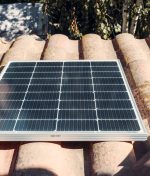
A properly designed and installed plant should not harm a sound roof. Before installation,
the strength and condition of the roof are assessed, and mounting methods are chosen to
suit the roof type. Problems usually arise when this assessment is skipped or when an
already weak roof is not repaired first.
Myth 5: “Only large factories benefit from solar.”
Solar is designed in proportion to the load. Offices, schools, hospitals, warehouses and
mid-sized businesses can all benefit when the system is sized to their consumption and
available space. The size of the business matters less than how well the plant matches its
energy use.
Myth 6: “A solar plant stops working after a few years.”
Quality solar plants are designed to perform for 25 years or more. Output does decline very
gradually over time, which is normal and is factored into a good savings estimate. Choosing
quality components and keeping up with maintenance help the plant remain productive for
its full life.
Myth 7: “Installation will disrupt my business.”
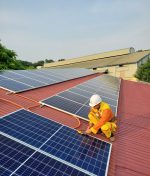
Most of the installation work takes place on roofs or in open areas, away from daily
operations. When the schedule is planned in advance with the management, any
connection work that requires a shutdown is kept short and coordinated. Disruption is
largely a matter of planning.
Myth 8: “With solar, I can disconnect from the grid.”
Most commercial solar plants work alongside the grid. They supply power during the day,
and the grid continues to support the facility when generation is low, such as in the evening.
Going fully off-grid would need battery storage and a very different design. For most
businesses, the grid-connected approach delivers savings without that complexity.
Why These Myths Persist
Solar technology and policy have changed considerably over the years, but older
information continues to circulate. Poor experiences with low-quality installations, or with
providers who skipped proper design and support, also shape opinions. The lesson is not
that solar is unreliable, but that the quality of the partner and the planning make the
difference.
How to Separate Fact From Fiction
• Ask for data. Request generation estimates with the assumptions behind them.
• Visit existing projects. Seeing a working industrial or commercial plant tells you more
than a brochure.
• Check the scope. Make sure design, approvals, installation and maintenance are clearly
covered.
• Verify policy claims. Confirm any tax or policy benefits against current rules.
• Compare partners carefully. Look at experience, workmanship, delivery record and
after-sales support.
Questions to Ask Before You Decide
• What generation do you estimate for my site, and what assumptions does it use?
• How will you assess my roof or land before installation?
• Who will handle approvals and grid connection?
• What maintenance and monitoring support is included?
• Can I speak to clients who already have plants installed by you?
Conclusion
Good decisions about solar begin with accurate information. Most of the common worries,
about weather, cost, roofs, maintenance and disruption, can be addressed through careful
assessment and a reliable partner. When myths are replaced with facts, solar becomes a
clear, measurable business choice.
At PickRenew Energy, we help industrial and commercial clients with end-to-end solar EPC
solutions, from design and installation to approvals and maintenance.
Ready to find out what solar could mean for your facility? Talk to PickRenew Energy:
pickrenewenergy.in