Solar Performance in Monsoon, Summer and Winter | PickRenew
How Solar Plants Perform in Summer, Monsoon and
Winter: A Seasonal Guide for Businesses
One of the first questions business owners ask about solar is whether it works all year
round. The honest answer is yes, but not identically. Like sunlight itself, solar generation
changes with the seasons, and understanding these patterns helps you set realistic
expectations and plan better.
This guide explains how a commercial solar plant behaves in summer, monsoon and winter,
how designers account for these changes and what you can do to keep performance steady
through the year.
1. Solar Generation Is Seasonal by Nature
A solar plant produces power according to the sunlight it receives. The amount of sunlight
depends on the length of the day, the angle of the sun, cloud cover and atmospheric
conditions, all of which shift across the year. As a result, monthly generation naturally rises
and falls.
This is normal and expected. What matters for a business is the total generation over the full
year, which is what a savings estimate should be based on.
2. Summer: Long Days and High Heat
Summer brings long hours of bright sunlight, which is good for generation. At the same time,
very high temperatures can slightly reduce the efficiency of solar panels, because panels
perform best at moderate temperatures. The net result is usually strong output, though not
as much as the extra daylight alone might suggest.
Dust is another summer factor. Dry conditions and wind can leave a layer of dust on panels,
so regular cleaning becomes especially important in this season to keep output steady.
3. Monsoon: Clouds, Rain and Humidity
During the monsoon, cloud cover reduces the sunlight reaching the panels, so generation is
usually lower than in clearer months. The plant still produces power on cloudy days, though
at a reduced level.
Rain brings a useful side effect, as it washes away some of the dust from panels. However,
it should not be treated as a replacement for planned cleaning. The monsoon is also the
season when equipment is tested by moisture and wind, which makes pre-monsoon checks
valuable.
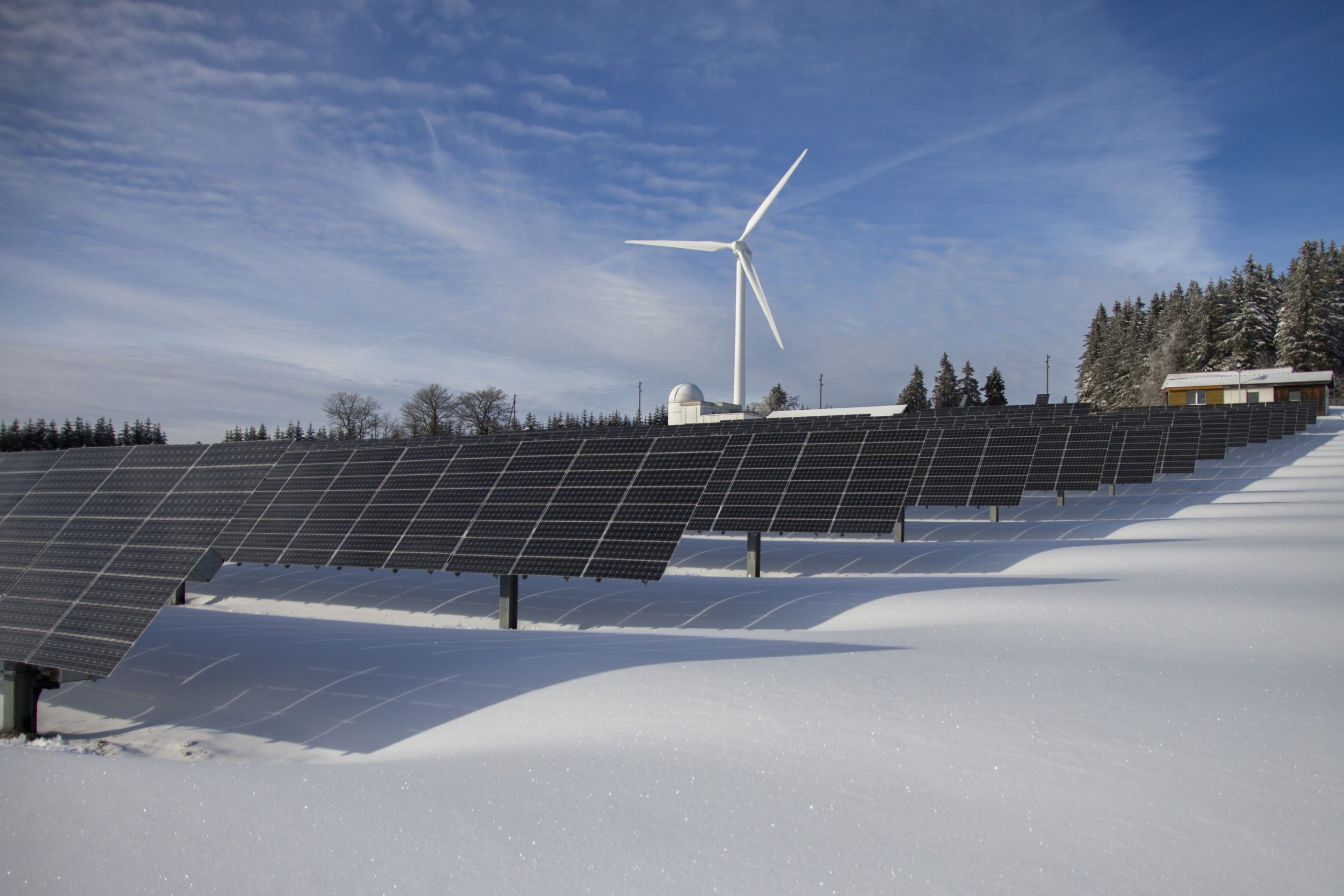
4. Winter: Shorter Days, Cooler Temperatures
In winter, days are shorter and the sun sits lower in the sky, which reduces the energy
received. On the other hand, cooler temperatures help panels work more efficiently, so clear
winter days can still be productive. In some regions, fog or haze can lower output on certain
mornings.
5. How Designers Account for the Seasons
A reliable solar design does not assume the same output every month. Engineers use
weather and sunlight data for the specific location to estimate how much the plant will
generate across the whole year, including the lower and higher months.
This is why a savings estimate should be presented as an annual figure with clear
assumptions. A proposal that quotes only the best month’s output is not giving the full
picture.
6. A Simple Seasonal Care Routine
• Before summer. Inspect the plant, clean the panels and check connections and
inverters for heat-related stress.
• Before the monsoon. Check mounting structures, earthing, cable routing, drainage and
any vegetation that may grow and cast shade.
• After the monsoon. Inspect for damage from wind or water, and clean the panels where
needed.
• During winter. Keep an eye on generation on foggy days and clean if dust or deposits
have built up.
The exact schedule depends on the site, but a seasonal routine keeps small issues from
growing and helps the plant perform close to its design.
7. Reading Your Bills Across the Seasons
Because both solar generation and your own electricity consumption change through the
year, your monthly savings will vary too. In hotter months, cooling loads often raise
consumption, and the solar plant supplies a good share of that daytime demand. In cloudier
months, the grid supplies more.
Judging the plant on a single month can be misleading. It is better to review performance
over a full year, or at least across several months, and compare it with the seasonal
estimate in your proposal.
8. Monitoring Makes the Difference
Remote monitoring lets you compare actual generation with what should be expected for the
season, instead of against a flat target. If output drops more than the weather explains, it
may signal a fault or heavy soiling, and the issue can be corrected early. This turns
seasonal variation from a source of confusion into something you can track with confidence.
9. Expectations and Mistakes to Avoid
• Expecting the same output every month of the year.
• Judging the plant’s performance on a single month.
• Skipping pre-monsoon checks of structures and electrical safety.
• Neglecting cleaning during dusty periods.
• Accepting a savings estimate without seasonal assumptions.
10. Planning Your Business Around the Seasons
Understanding seasonal patterns can also help with energy planning. Businesses with
higher consumption in particular months can check how well that demand lines up with the
strongest solar months. Facilities that run heavy machinery or cooling loads during the day
often find that the plant supplies a large share of their daytime needs in the warmer months.
For institutions or businesses with seasonal operations, such as schools with long holidays
or units with off-peak months, the full-year pattern should be reviewed during design. This
keeps the plant sized sensibly and the savings estimate realistic.
11. Common Seasonal Questions, Answered
Will the plant stop working during heavy rain? No. Output falls because of reduced
sunlight, but the plant continues to operate within safe limits, and well-designed systems
include protection for such conditions.
Do I need to clean the panels after every rain? Not necessarily. Rain removes some dust,
but deposits can remain. Your cleaning schedule should be based on the site and on
performance data.
Is winter generation too low to matter? Winter output is typically lower than in the
brightest months, but it still contributes meaningfully to the annual total, and cooler
conditions help panel efficiency.
12. Questions to Ask Your EPC Partner
• How is the annual generation estimate calculated for my location?
• How much seasonal variation should I expect in generation?
• What pre-monsoon and post-monsoon checks are included in the maintenance plan?
• How will the cleaning schedule be set for my site?
• What monitoring will I have to track seasonal performance?
Conclusion
Solar works through every season, but not at the same level. Long summer days, cloudy
monsoon weeks and cool winter mornings each shape the output in their own way. A
well-designed plant, a realistic annual estimate and a sensible seasonal care routine ensure
that these changes are understood and managed, so the business receives steady value
year after year.
At PickRenew Energy, we help industrial and commercial clients with end-to-end solar EPC
solutions, from design and installation to approvals and maintenance.
Ready to find out what solar could mean for your facility? Talk to PickRenew Energy:
pickrenewenergy.in