Solar for Warehouses and Logistics | PickRenew Energy
Solar for Warehouses and Logistics Facilities: Turning
Large Roofs into Long-Term Savings
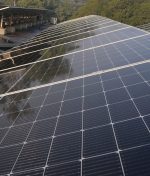
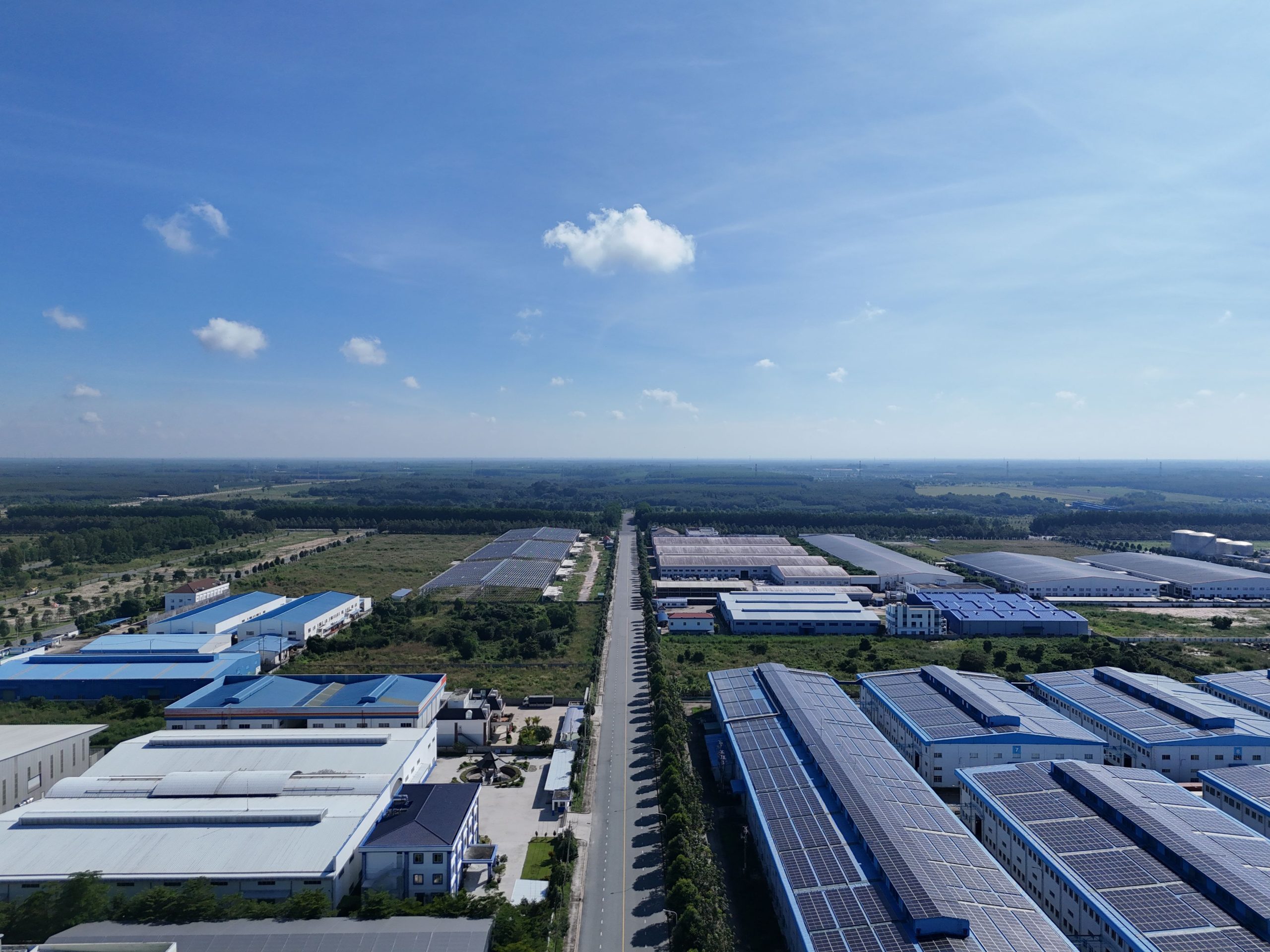
Warehouses and logistics facilities are built around space. Wide roofs, open layouts and
large footprints make them some of the most practical buildings for solar power. As
e-commerce, distribution and storage continue to grow, more operators are looking at how
to use that rooftop space to bring down electricity costs.
This guide explains why warehouses suit solar so well, what to consider in the design and
how to install a plant without disturbing day-to-day operations.
1. Why Warehouses Are Well Suited to Solar
• Large roof area. Warehouse roofs are often broad and unobstructed, offering plenty of
room for panels.
• Few shading obstacles. Compared with crowded urban buildings, warehouses typically
have fewer tall structures nearby.
• Daytime activity. Loading, unloading, sorting and dispatch usually peak in daylight
hours, when solar generates.
• Simple structure. Many warehouses have regular roof shapes that make layout
planning straightforward.
2. Where a Warehouse Uses Its Electricity
Warehouse energy use varies by type of operation, but common loads include lighting,
ventilation, material handling equipment, loading dock systems, charging of battery-powered
vehicles and office areas. Some facilities also run automation, conveyors or racking systems
that add to daytime demand.
Understanding this mix is the starting point for designing a plant that matches the facility’s
actual needs.
3. Matching Solar to Daytime Operations
The strongest savings come when a large share of the energy produced is used on site.
Warehouses with active daytime operations are well placed for this, since the power
generated by the plant can directly supply much of the load. A review of the facility’s hourly
consumption shows how closely generation and demand align.
4. A Special Case: Cold Storage
Cold storage facilities need cooling around the clock, including at night, when solar is not
generating. Solar can still supply a significant part of the daytime demand and reduce the
amount drawn from the grid, but the grid remains essential for continuous operation.
For such facilities, the design should be based on a careful study of the load profile, and the
savings should be estimated realistically. Battery storage is a separate option that can be
evaluated, but it is a different investment with its own considerations.
5. Roof Considerations
• Roof type. Metal sheet and concrete roofs call for different mounting methods.
• Age and condition. The roof should be able to last as long as the solar plant. Repairs
may be needed first.
• Structural strength. The roof must be able to carry the additional load safely.
• Obstacles. Skylights, ventilators, ducts and drainage affect the usable layout.
• Access. Safe access for installation and for future cleaning and maintenance is
important.
6. Leased Warehouses
Many warehouses are leased rather than owned. In such cases, the lease term, the
landlord’s permission and the arrangement for the plant at the end of the lease should be
clarified at the start. The structure of the investment may also differ for tenants and owners,
so these points should be discussed early with your EPC partner.
7. Supporting Electric Material Handling
Many warehouses are moving towards electric forklifts and other battery-powered
equipment. Charging this equipment adds to the load, and solar can supply part of this
demand during the day. Planning for this growth during the design stage helps the plant
remain useful as the operation evolves.
8. Installing Without Disrupting Logistics
Dispatch schedules and delivery commitments leave little room for interruption, so
installation is planned around the facility’s working pattern. Most work takes place on the
roof, away from loading areas and storage, and safe zones are marked to protect staff,
vehicles and goods below.
Where electrical connection work requires a short shutdown, it is scheduled in advance with
the management at a time that causes minimum disturbance.
9. Safety and Fire Considerations
Because warehouses hold stored goods, safety deserves close attention. This includes
quality cabling and connections, proper earthing and protection devices, clear routing, safe
roof access and compliance with applicable electrical and fire safety requirements.
Operators may also wish to inform their insurers about the installation.
10. Benefits for Warehouse Operators
• Lower electricity costs from using the roof for generation.
• More predictable operating expenses.
• A stronger sustainability profile that appeals to clients and partners.
• A durable asset designed to perform for 25 years or more.
• Preparedness for electric equipment as the operation grows.
11. Mistakes to Avoid
• Ignoring the roof condition before installation.
• Sizing the plant without studying the hourly load pattern.
• Overlooking lease terms and landlord permissions.
• Neglecting safety and fire considerations.
• Skipping maintenance planning after commissioning.
12. Keeping the Plant Performing
Warehouse roofs can collect dust from surrounding traffic and activity. Regular cleaning,
inspection and monitoring keep generation steady, and remote tracking helps identify any
issue early. Dependable after-sales support protects the savings the plant was built to
deliver.
Questions to Ask Your EPC Partner
• Have you completed projects on warehouses or logistics facilities?
• How will you design around my roof type and obstacles?
• How will installation be scheduled around dispatch and loading?
• How will the plant handle our load pattern, including any night demand?
• What maintenance and monitoring support will we receive?
Conclusion
A warehouse roof is valuable space that can work for the business every day. With a
well-designed solar plant, that space can reduce electricity costs, support sustainability
goals and prepare the facility for the future. The key lies in careful assessment, safe
execution and dependable long-term support.
At PickRenew Energy, we help industrial and commercial clients with end-to-end solar EPC
solutions, from design and installation to approvals and maintenance.
Ready to find out what solar could mean for your facility? Talk to PickRenew Energy:
pickrenewenergy.in