Solar for Hotels and Hospitality | PickRenew Energy
Solar for Hotels and Hospitality: Cutting Energy Costs
While Welcoming Eco-Conscious Guests
Hotels and resorts run on energy. Air conditioning, lighting, kitchens, laundry, water heating,
elevators and guest amenities operate for long hours, often around the clock. For many
properties, electricity is one of the largest operating expenses, and it grows with every
added room and service.
At the same time, guests are paying more attention to how responsibly a property operates.
Solar energy offers hospitality businesses a practical way to address both concerns:
controlling costs and showing a genuine commitment to sustainability. This guide explains
how solar fits into the hospitality setting and what to consider before starting.
1. Why Energy Matters So Much in Hospitality
Unlike many businesses, hotels cannot reduce services when costs rise. Guests expect
comfortable rooms, reliable power and a smooth experience at all times. This makes energy
a cost that is difficult to cut without affecting service, and a good candidate for smarter
sourcing.
Solar helps by supplying a part of the property’s electricity from its own roof or land,
reducing the amount bought from the grid without changing the guest experience.
2. Where a Hotel Uses Its Electricity
• Air conditioning and ventilation in rooms, lobbies, restaurants and banquet halls.
• Lighting across rooms, corridors, outdoor areas and event spaces.
• Kitchens and laundry with heavy equipment running for long hours.
• Water systems, including pumps, heating and pool equipment.
• Guest amenities such as elevators, fitness areas, spas and entertainment.
3. How Solar Fits a 24-Hour Operation
Hotels run day and night, but a large share of their demand, such as cooling, kitchens,
laundry and common-area operations, falls during the day. Solar generation can supply
much of this daytime demand directly.
Evening and night loads, including lighting and dining, continue to be met by the grid. A
good design studies the property’s full-day pattern so that the plant is sized sensibly and the
savings are estimated realistically.
4. Seasonal Occupancy and Its Effect
Hospitality businesses often see occupancy rise and fall across the year, with peak
seasons, festival periods and quieter months. Electricity consumption follows the same
pattern. The design should consider this variation, so that the plant delivers good value
across both busy and slow periods.
5. Solar Electricity and Solar Water Heating
Hotels use large amounts of hot water, and solar thermal systems that heat water directly
are a separate technology from solar panels that generate electricity. Both can play a role in
an efficient property. Solar power plants focus on electricity, while water heating should be
evaluated separately according to the property’s needs.
6. Roof Space and Appearance
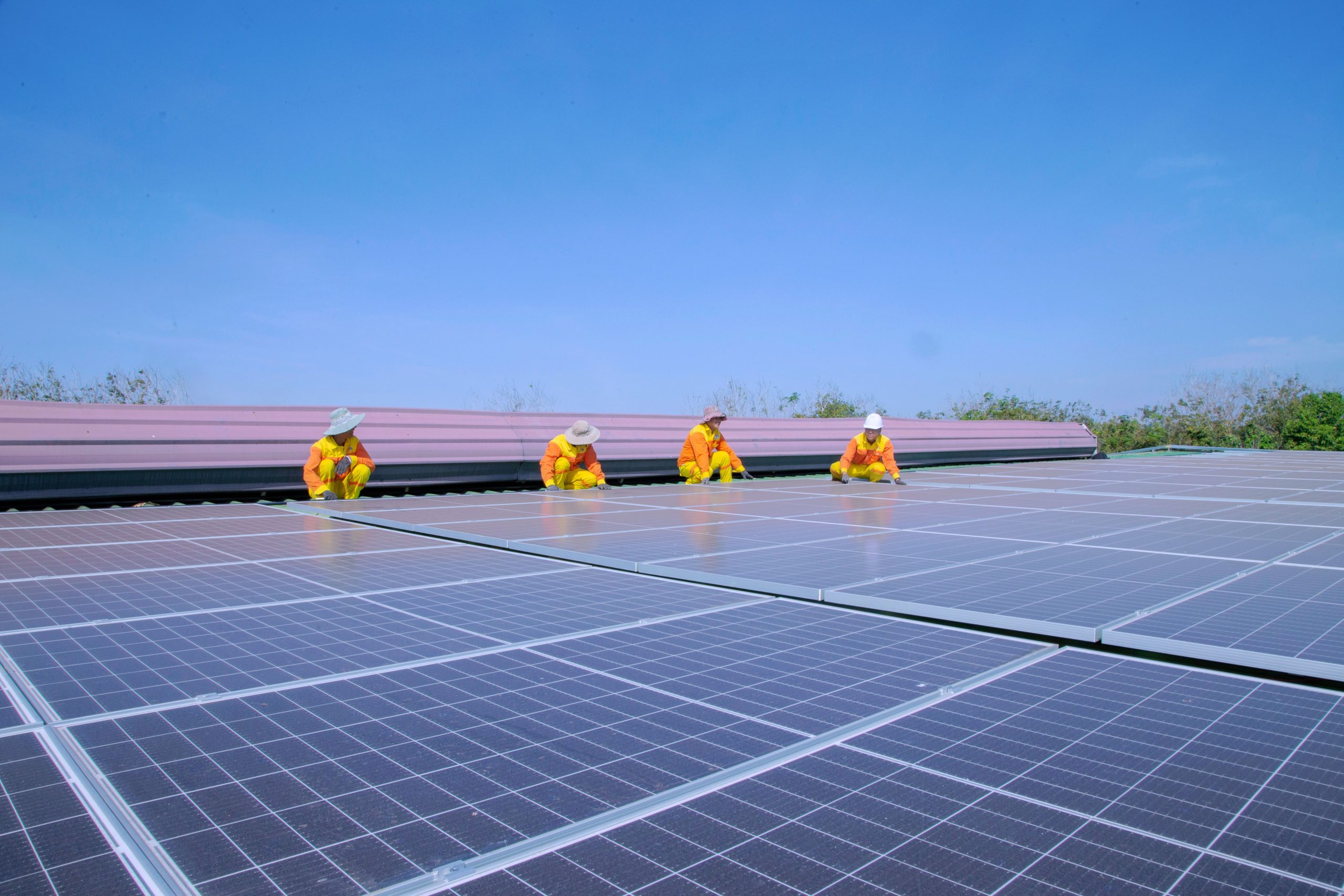
Guest experience and appearance matter in hospitality. In many properties, solar panels are
placed on roofs that guests do not see, such as main building roofs, service blocks or utility
areas. Where roof space is limited, other areas such as parking structures or unused land
may be considered, depending on the site.
The layout should respect the property’s design and guest areas, while still making the best
use of the space available.
7. Installing Without Disturbing Guests
Guest comfort comes first, so installation is planned to minimise noise and disruption. Work
is typically carried out on rooftops and service areas, and it can be scheduled around
check-in and check-out patterns, events and peak occupancy periods. Clear coordination
with the property’s engineering and management teams helps the project run smoothly.
Any electrical connection work that needs a short shutdown is planned in advance, at the
time of least impact on guests and operations.
8. Safety and Compliance
Hotels host large numbers of people, so safety is essential. Solar installation should follow
recognised standards, including safe roof access, proper earthing and protection, fire safety
considerations and the required statutory approvals. An experienced EPC partner manages
this as part of the project.
9. Benefits for Hospitality Businesses
• Lower electricity costs by reducing power purchased from the grid.
• More predictable expenses that support better budgeting and pricing.
• An eco-friendly image that appeals to guests, corporate clients and event organisers.
• Supporting sustainability commitments that many travellers and partners now expect.
• A durable asset designed to perform for 25 years or more.
10. Telling Your Solar Story to Guests
A solar plant can become part of the property’s identity. Many hotels share their clean
energy efforts through their website, in-room information and marketing. The most effective
communication is specific and honest: what was installed, how much energy it generates
and what it means for the property. Genuine facts build far more trust than general claims.
11. Mistakes to Avoid
• Sizing the plant without studying the full-day and seasonal load pattern.
• Overlooking roof condition and structural strength.
• Ignoring guest experience during installation.
• Confusing solar water heating with solar electricity generation.
• Forgetting maintenance and monitoring after commissioning.
Questions to Ask Your EPC Partner
• Have you worked on hotels, resorts or similar commercial properties?
• How will you schedule installation to avoid disturbing guests?
• How will the design account for our occupancy patterns?
• Where on the property can panels be placed without affecting appearance?
• What maintenance and monitoring support will we receive?
Conclusion
For hotels and resorts, solar is a practical way to manage one of the biggest operating costs
while meeting rising expectations around sustainability. With careful assessment, thoughtful
design and dependable support, a solar plant can quietly serve the property for many years,
in the background of every guest’s stay.
At PickRenew Energy, we help industrial and commercial clients with end-to-end solar EPC
solutions, from design and installation to approvals and maintenance.
Ready to find out what solar could mean for your facility? Talk to PickRenew Energy:
pickrenewenergy.in