Commercial Solar Plant Safety Explained | PickRenew Energy
How Safe Is a Commercial Solar Plant? Electrical, Fire and
Structural Safety Explained
Before installing solar, many business owners have one quiet concern: is it safe? They
wonder about fire, electric shocks, lightning, strong winds and what happens when the plant
is working above their people, stock and machinery. These are sensible questions, and a
good solar partner should answer them openly.
This guide explains the main safety aspects of a commercial solar plant, how they are
managed through design, installation and maintenance, and what to look for when choosing
a partner.
1. Is Solar Safe?
When a plant is properly designed, built with quality components, installed by trained people
and maintained regularly, solar is a safe and well-established technology. Problems tend to
arise when corners are cut: poor-quality parts, careless installation, missing protection or
neglected maintenance.
In other words, safety is not a feature added at the end. It is the result of good practice at
every stage of the project.
2. Electrical Safety
Solar panels produce electricity whenever light falls on them, which means the direct current
side of the plant can carry voltage even when the rest of the system is switched off. This is
why electrical design and workmanship need particular care.
• Proper protection devices. Isolators, fuses and breakers protect the plant and allow
sections to be switched off safely.
• Correct cable sizing and quality. Cables suited to outdoor use and the right current
reduce heating and power loss.
• Reliable connectors and joints. Secure, correctly fitted connections prevent
overheating.
• Earthing. Proper earthing protects people and equipment from faults.
• Clear labelling. Marked cables, panels and switches help anyone working on the system
to understand it quickly.
3. Fire Safety
Fires linked to solar plants are usually traced back to specific causes, such as loose or
poor-quality connectors, damaged cables, hot spots from faulty connections or inverter
faults. Most of these can be prevented through good components, careful installation and
regular inspection.
• Use quality connectors and cables, and avoid mixing incompatible parts.
• Make sure connections are properly tightened and checked after installation.
• Plan the rooftop layout with clear pathways for access and emergency response.
• Provide isolation points that allow the plant to be shut down quickly.
• Carry out periodic inspections, including checks for signs of overheating
4. Lightning and Surge Protection
A solar plant is an exposed structure, so protection against lightning and electrical surges is
important. This is usually achieved through proper earthing, surge protection devices and,
where required, lightning protection measures. The right level of protection depends on the
site and applicable requirements.
5. Structural Safety
The plant must withstand weather for decades. This involves checking that the roof can
carry the added load, designing mounting structures for local wind conditions and fixing
them securely without compromising the roof. Corrosion-resistant materials and sound fixing
methods keep the structure reliable over time.
6. Safety During Installation
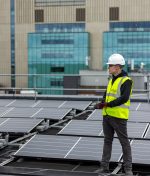
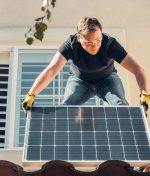
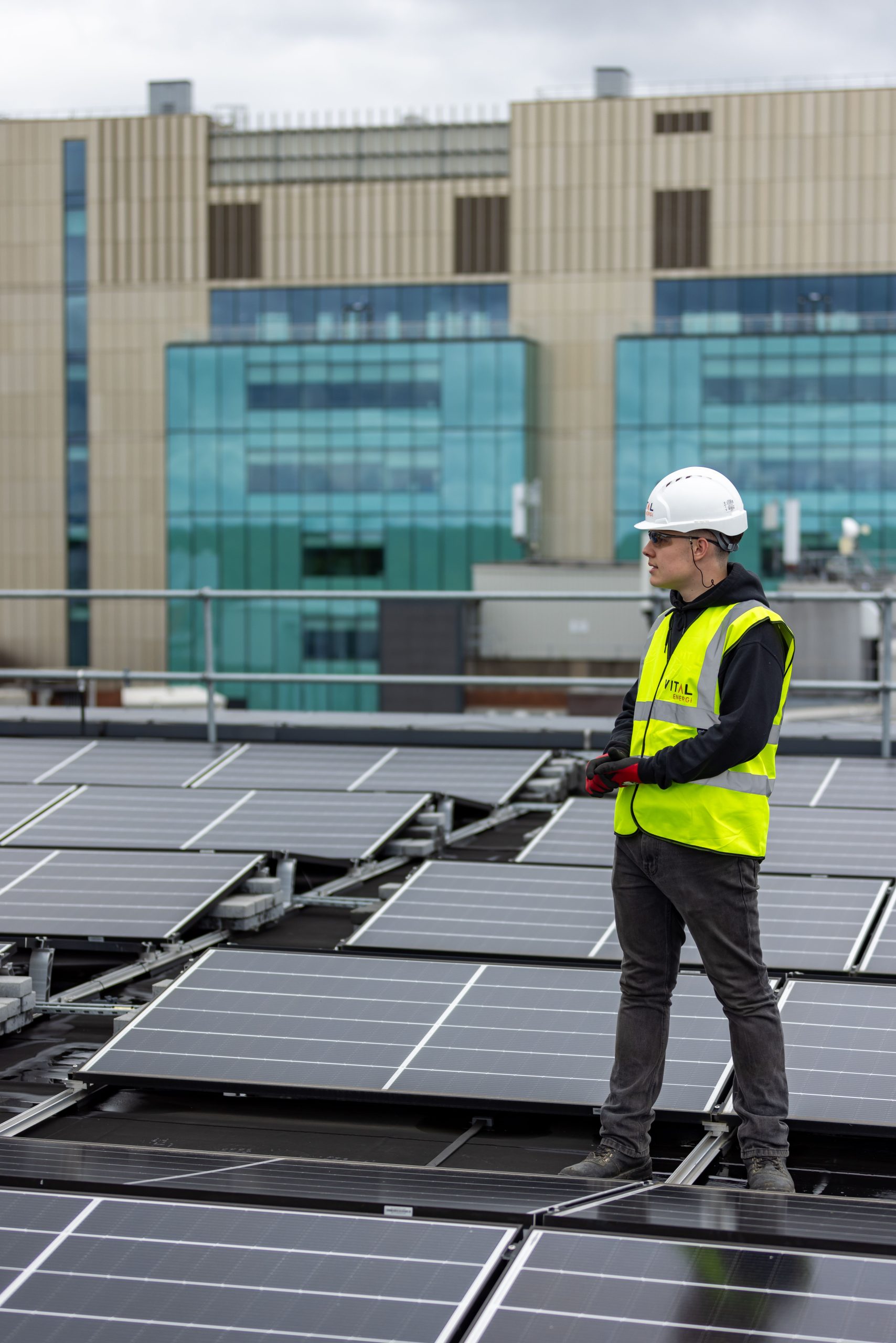
Installation is one of the most safety-sensitive phases. Work at height, handling of electrical
equipment and heavy materials all carry risk. Good practice includes trained crews, suitable
protective equipment, supervised work, controlled access to working areas and clear
coordination with the facility’s own team.
7. Safety During Maintenance
Cleaning and servicing also need care, since they involve roof access and live equipment.
Qualified personnel should follow proper isolation procedures before working on electrical
components, and maintenance routines should be planned so that people are protected and
the plant is not damaged.
8. Standards and Compliance
Solar installations are expected to follow applicable electrical and safety standards and to
meet the requirements of the relevant authorities, which may include inspections and
approvals before the plant goes live. An experienced EPC partner knows these
requirements and manages the documentation as part of the project.
9. Why Quality Components and Workmanship Matter
Many safety issues can be traced back to the quality of components and the care taken in
installation. Cheaper, untested parts and rushed work increase the likelihood of faults.
Investing in quality equipment and skilled installation is one of the most effective safety
measures available.
10. Emergency Preparedness
Your team should know the basics of how to respond. This includes knowing where the
isolation switches are, whom to contact in case of an emergency, and what to do if there is a
suspected fault. Clear signage, simple procedures and a briefing at handover help everyone
stay prepared.
12. Warning Signs to Watch For
• Burning smell near electrical equipment.
• Discolouration, melting or damage on cables, connectors or panels.
• Unusual noise, repeated alarms or faults from the inverter.
• A sudden or unexplained drop in generation.
• Loose or damaged mounting structures or fixings.
If you notice any of these, contact your service provider promptly and avoid attempting to
repair electrical equipment yourself.
13. Mistakes to Avoid
• Choosing a partner on price alone, without asking about safety practices.
• Using untested or low-quality connectors, cables or devices.
• Skipping earthing and surge protection.
• Neglecting inspections after installation.
• Allowing unqualified people to work on the system.
Questions to Ask Your EPC Partner
• Which safety standards do you follow in design and installation?
• How do you protect the plant against lightning and electrical surges?
• How will the rooftop layout allow safe access and emergency response?
• What safety measures do your crews follow during installation?
• What inspections and maintenance are included after commissioning?
Conclusion
A commercial solar plant can be a safe, dependable part of your facility when safety is built
into every stage, from design and components to installation and maintenance. Asking the
right questions and choosing a partner who takes safety seriously gives you confidence that
the plant will protect your people and your property while it protects your budget.
At PickRenew Energy, we help industrial and commercial clients with end-to-end solar EPC
solutions, from design and installation to approvals and maintenance.
Ready to find out what solar could mean for your facility? Talk to PickRenew Energy:
pickrenewenergy.in