Solar Terms Explained for Business Owners | PickRenew
Solar Terms Explained: A Plain-Language Glossary for
Business Owners
Read a solar proposal for the first time and you may feel you need a dictionary. Terms like
kWp, CUF, net metering and performance ratio appear throughout, often without
explanation. For a business owner trying to make a sound decision, this can be confusing
and even intimidating.
The good news is that the ideas behind these terms are simple. This glossary explains the
most common solar terms in plain language, grouped by topic, so you can read proposals
confidently and ask better questions.
Understanding Power and Energy
kW (kilowatt). A measure of power, meaning how fast electricity is being generated or used
at a given moment. Think of it as the speed of a vehicle.
kWh (kilowatt-hour). A measure of energy, meaning the amount of electricity generated or
used over time. It is what your electricity bill shows as “units”. Think of it as the distance a
vehicle has travelled.
kWp (kilowatt-peak). The rated capacity of the solar panels under standard test conditions.
When someone speaks of a plant of a certain size, they are often referring to this rating. The
inverter’s capacity may be expressed separately.
Generation. The total electricity the solar plant produces over a period, usually measured in
kWh.
Understanding Plant Performance
Capacity Utilisation Factor (CUF) : A measure of how much energy a plant actually
produces compared with the maximum it could produce if it ran at full capacity all the time. It
helps compare the output of different plants.
Performance Ratio (PR) : A measure of how efficiently the plant converts the sunlight it
receives into usable electricity, after accounting for losses such as heat, dust, wiring and
conversion. A higher ratio suggests a better-performing plant.
Degradation : The slow, natural decline in panel output over the years. Good proposals
include degradation in their long-term generation estimates.
Shading, tilt and orientation : Shade from nearby objects, the angle of the panels and the
direction they face all affect how much sunlight they receive, and therefore how much
energy they produce.
Understanding the Plant Components
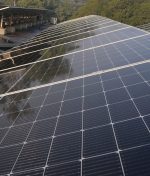
Solar module (panel) : The unit that converts sunlight into direct current electricity. A plant
is made up of many panels connected together.
Inverter : The equipment that converts the direct current from the panels into alternating
current that your facility can use. It also manages how the plant works with the grid.
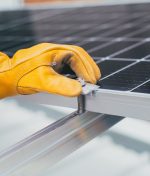
Mounting structure. The framework that holds the panels in position on a roof or on the
ground.
DC and AC cables : The cables that carry power from the panels to the inverter (direct
current) and from the inverter to your electrical system (alternating current).
Earthing and protection. Safety systems that protect people and equipment from faults,
surges and lightning.
Monitoring system : The software and equipment that track the plant’s generation and
performance, often remotely.
Understanding Grid and Billing Terms
Grid-connected system : A solar plant that works alongside the utility grid. It supplies your
facility during the day, and the grid provides power when solar is not enough. Most
commercial plants work this way.
DISCOM : The power distribution company that supplies electricity in your area and handles
grid connection approvals.
Net metering : An arrangement in which surplus solar energy exported to the grid is
accounted against the electricity drawn from it. The rules and availability vary by state and
by the type of consumer, so they should always be confirmed for your location.
Tariff : The rate you pay per unit of electricity, which depends on your consumer category
and the rules in your state. It is a key input in any savings estimate.
Power factor : A measure of how effectively your facility uses the electrical power it draws.
Low power factor can affect charges and losses, depending on your tariff.
Understanding Project and Financial Terms
EPC (Engineering, Procurement and Construction) : An approach in which one company
takes responsibility for designing, sourcing equipment for and building the complete plant.
Commissioning. The final stage in which the plant is tested, connected and put into
operation.
O&M; (Operation and Maintenance) : The ongoing work of monitoring, cleaning and
servicing the plant to keep it performing.
CAPEX and OPEX : Capital expenditure refers to an upfront investment in an asset you
own. Operating expenditure refers to ongoing payments, such as those in a service-based
arrangement.
Payback period : The time taken for the savings from the plant to equal the investment
made in it.
ROI (Return on Investment) : A way of expressing the overall financial gain from the
investment compared with its cost.
Warranty : A promise by the manufacturer or installer to repair, replace or guarantee
performance of equipment for a stated period.
How Knowing These Terms Helps
When you understand the vocabulary, a proposal stops being a wall of jargon and becomes
a document you can evaluate. You can check whether the generation estimate is realistic,
whether the capacity is stated clearly, whether warranties and support are included, and
how the savings were calculated.
Questions to Ask When a Term Is Unclear
• Can you explain this term in the context of my facility?
• How was this figure calculated, and what assumptions were used?
• Is this value measured, guaranteed or only estimated?
• Does this rule or benefit apply in my state and to my category of consumer?
• What would this mean for my electricity bill in practice?
Conclusion
Solar need not feel complicated. Once the key terms are clear, the structure of a proposal
becomes easy to follow, and the right questions come naturally. A good EPC partner will
always be glad to explain any term in plain language, because informed clients make the
best decisions.
At PickRenew Energy, we help industrial and commercial clients with end-to-end solar EPC
solutions, from design and installation to approvals and maintenance.
Ready to find out what solar could mean for your facility? Talk to PickRenew Energy:
pickrenewenergy.in