Solar for Manufacturing Units: Cut Energy Costs | PickRenew
Solar for Manufacturing Units: Cutting Energy Costs
Without Disrupting Production
For a manufacturing unit, electricity is not just a utility. It runs machines, cooling systems,
lighting and the entire production line. When power costs rise, they flow straight into the cost
of every product that leaves the factory, and into the margins of the business.
This is why more manufacturers are looking at solar. A well-designed solar plant can supply
a significant part of a factory’s daytime power, reduce dependence on the grid and make
energy costs easier to predict. This guide explains why solar suits manufacturing units so
well and what to consider before starting.
1. Why Energy Matters So Much to Manufacturers
In many manufacturing businesses, energy is one of the largest recurring operating costs.
Because it is built into the cost of production, even small changes in tariffs can affect pricing,
competitiveness and profitability.
Controlling that cost is therefore a business priority, not just an administrative one. Solar
gives manufacturers a way to take part of their energy supply into their own hands and plan
their costs with greater confidence.
2. Why Manufacturing Is a Natural Fit for Solar
• Daytime operations. Most factories run heavily during daylight hours, exactly when solar
generates power. This means much of the energy produced is used on site.
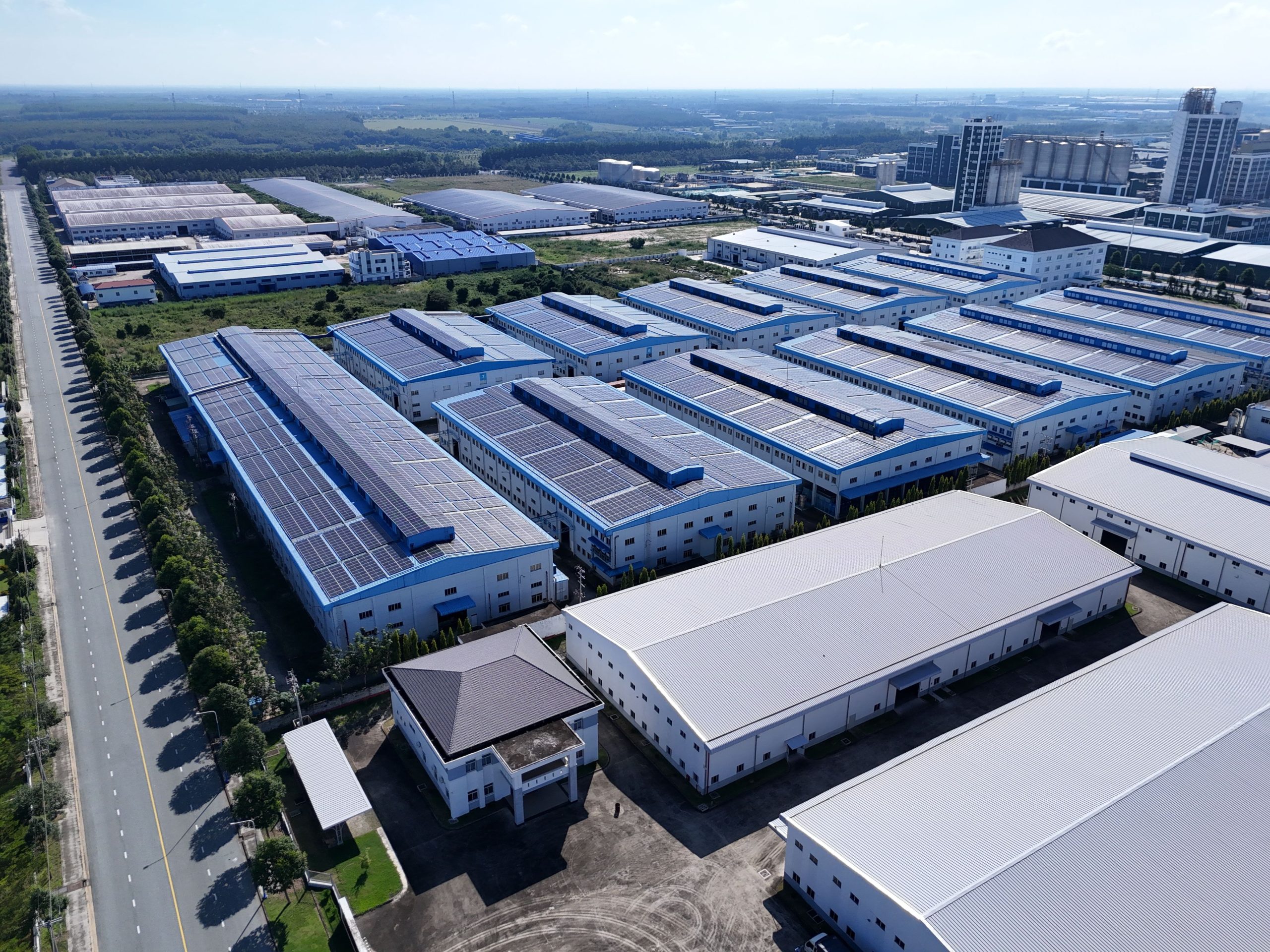
• Large roof areas. Factory sheds and warehouses often provide wide, open roofs that
are ideal for solar panels.
• Steady consumption. Predictable loads make it easier to size the system accurately
and estimate savings.
• Long operating life. A factory is a long-term investment, and a solar plant designed for
25 years or more matches that horizon.
3. Installing Solar Without Disrupting Production
A common concern for factory owners is whether installation will interrupt operations. With
proper planning, disruption can be kept to a minimum. Most of the work takes place on the
roof or in open areas, away from production lines, and the schedule is planned around the
factory’s working pattern.
Where connection to the existing electrical system is needed, the work is coordinated with
the management in advance so that any necessary shutdown is short and planned. An
experienced EPC partner discusses this at the design stage, not on the day of installation.
4. What a Factory Solar Project Involves
• Load study. Understanding how and when the factory uses power.
• Roof and site assessment. Checking roof type, strength, available area and shading.
• Design and proposal. Sizing the system and estimating generation and savings.
• Approvals. Arranging the statutory and grid-related permissions required.
• Installation and testing. Safe execution with quality checks at each stage.
• Commissioning and monitoring. Connecting the plant and tracking performance.
5. Design Considerations Specific to Factories
Industrial sites have their own conditions, and a good design takes them into account from
the start:
• Roof type and strength. Metal sheet and concrete roofs need different mounting
solutions.
• Shading. Chimneys, ducts, water tanks and nearby buildings can cast shadows that
reduce output.
• Dust and environment. Factories that produce dust or fumes may need more frequent
cleaning to keep generation steady.
• Electrical compatibility. The plant must work smoothly with the factory’s existing power
system and load pattern.
• Safety and access. Safe walkways, fire safety and secure access are essential on
industrial roofs.
• Future expansion. If the unit plans to add machinery or a new shed, the design should
allow for it.
6. Benefits for Manufacturers
• Lower electricity costs as solar offsets power bought from the grid.
• Predictable expenses that make budgeting and pricing easier.
• Competitive edge from reduced energy cost within the cost of production.
• Buyer confidence as larger customers increasingly prefer suppliers with cleaner energy
practices.
• A durable asset that continues to deliver savings for years.
7. Mistakes Manufacturers Should Avoid
• Sizing the plant without studying the actual load pattern.
• Ignoring the condition of the roof before installation.
• Choosing a partner on price alone, without checking experience in industrial projects.
• Overlooking maintenance, especially in dusty production environments.
• Not planning approvals and grid connection early enough
8. Questions to Ask Your EPC Partner
• Have you completed industrial projects similar to ours?
• How will installation be scheduled around our production?
• How will you design for our roof type, shading and load pattern?
• Who will manage approvals and grid connection?
• What monitoring and after-sales support will we receive?
Keeping the Savings Steady Through Maintenance
Commissioning is the start of the plant’s working life, not the end of the project. In a factory
environment, dust, heat and vibration from nearby operations can gradually affect panel
surfaces and electrical components. Without regular attention, generation can drop without
anyone noticing.
Regular cleaning, inspection and performance monitoring keep the plant close to its
designed output. Remote monitoring is especially valuable for manufacturers, because it
shows quickly if any part of the plant is underperforming and allows the issue to be
corrected before it affects savings
Getting Started: Three Simple Steps
• Collect your electricity bills for the last twelve months so your consumption pattern can
be studied.
• Arrange a site visit so the roof, available area and electrical setup can be assessed.
• Review a detailed proposal that explains the design, the scope of work, the expected
generation and the support provided.
These three steps give you the information needed to make a confident, well-informed
decision about solar for your unit.
Conclusion
For manufacturing units, solar is a practical way to bring greater control over one of the
biggest costs in the business. Daytime operations, large roofs and long planning horizons all
work in its favour. With careful assessment, thoughtful design and dependable execution, a
solar plant can support production for many years without getting in its way.
At PickRenew Energy, we help industrial and commercial clients with end-to-end solar EPC
solutions, from design and installation to approvals and maintenance.
Ready to find out what solar could mean for your facility? Talk to PickRenew Energy:
pickrenewenergy.in