Solar EPC for Commercial & Industrial Businesses | PickRenew
Solar EPC for Commercial and Industrial Businesses: A Complete Guide
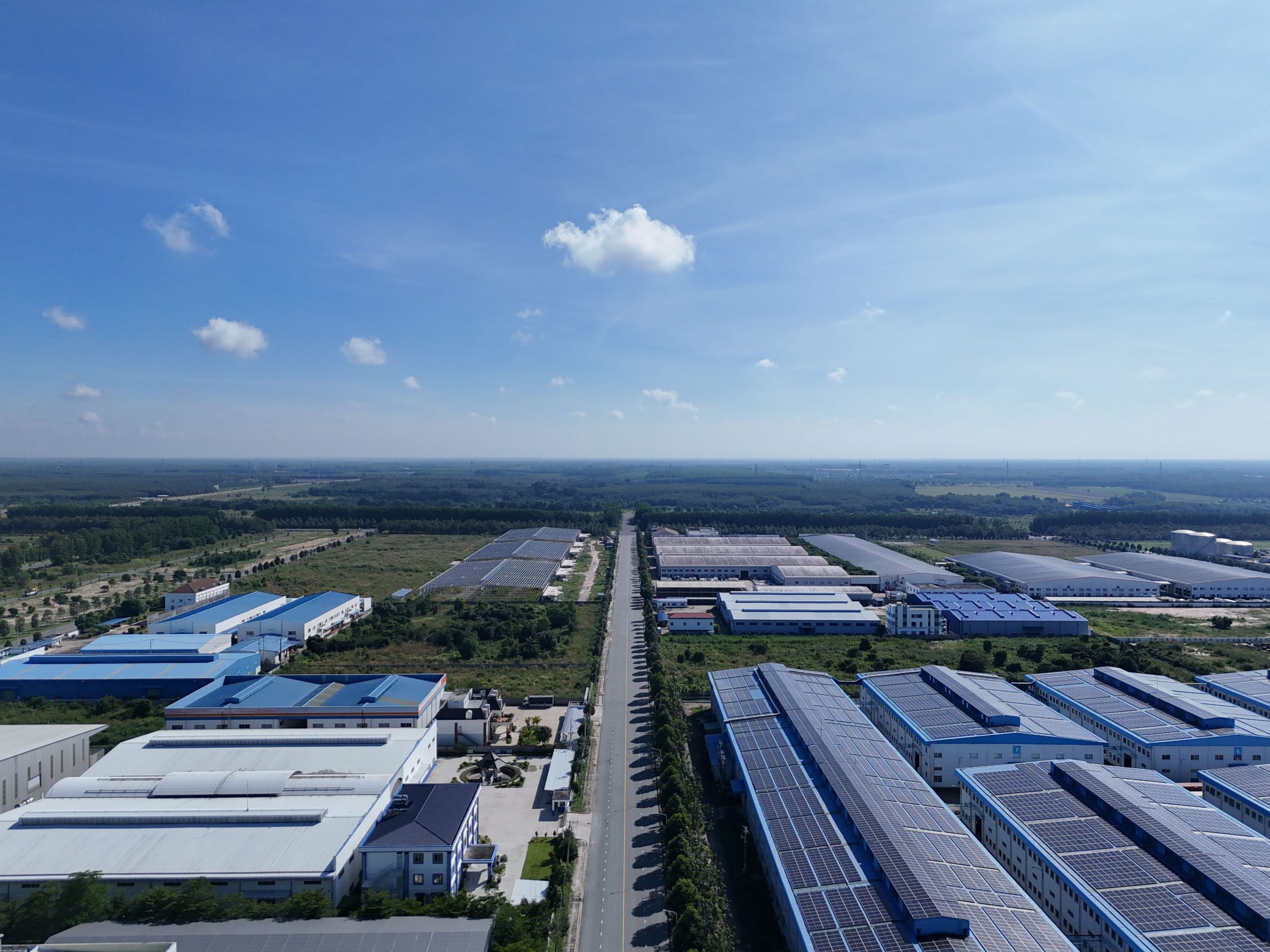
For factories, warehouses, hospitals, educational campuses and commercial complexes, electricity is a major operating expense. As businesses look for ways to manage energy costs and meet sustainability goals, solar power is becoming an important consideration.
A successful solar project involves more than installing panels. It requires careful planning, suitable equipment, professional installation and ongoing maintenance. A Solar EPC partner helps coordinate these stages through a structured approach.
What Is a Solar EPC Provider?
EPC stands for Engineering, Procurement and Construction. A Solar EPC provider manages key stages of a solar project, from site assessment and system design to equipment procurement, installation and commissioning.
Working with one partner for the agreed project scope can simplify coordination, clarify responsibilities and support smoother project execution.
The Three Pillars of a Solar EPC Project
1. Engineering
Engineering begins with an assessment of electricity consumption, available rooftop or land area, shading, structural suitability and electrical infrastructure. These factors help determine the system’s appropriate capacity and configuration.
2. Procurement
Procurement typically includes solar modules, inverters, mounting structures, cables and electrical protection equipment. Businesses should compare specifications, manufacturer credentials and warranty terms—not just the initial price.
3. Construction
Construction includes installing the system, completing electrical connections, carrying out safety checks and testing the plant before commissioning. A clear schedule helps minimise disruption to business operations.
Benefits of Solar for Commercial and Industrial Businesses
Lower Electricity Costs
Solar generation can offset some of the electricity purchased from the grid. Potential savings depend on system capacity, actual generation, electricity tariffs, consumption patterns and billing arrangements.
Improved Energy Cost Planning
Solar can help businesses manage a portion of long-term electricity expenses, although actual savings vary with system performance, maintenance and tariff changes.
Sustainability Goals
Solar power can support sustainability objectives by reducing reliance on grid electricity. The environmental benefit depends on the electricity source displaced and the system’s lifecycle impact.
Long-Term Value
A properly designed and maintained solar plant can generate electricity for many years. Investment assessments should account for warranties, performance degradation, maintenance and possible equipment replacement.
Understanding Solar Project Costs and Payback
The financial viability of a solar project depends on several factors:
- Electricity tariffs and the value of the energy offset.
- Daytime consumption and how closely it matches solar generation.
- System capacity, site conditions and installation requirements.
- Equipment quality, maintenance and potential replacement costs.
- Applicable policies, taxes and project eligibility.
A feasibility assessment should estimate generation, project costs and potential savings using the business’s actual energy data. Payback estimates should be based on project-specific assumptions rather than generic promises.
How a Solar EPC Project Works
- Site assessment: Review electricity bills, load profile, installation area and technical requirements.
- Design and proposal: Recommend a suitable system and estimate generation, cost and potential savings.
- Approvals: Identify applicable permissions, metering and grid-connectivity requirements.
- Procurement: Source equipment according to the agreed specifications.
- Installation and testing: Install the system and complete required inspections and tests.
- Commissioning and handover: Commission and hand over the plant according to the project agreement.
Approvals and Compliance
Depending on the project’s size, location and configuration, approvals may involve the distribution company, electrical authorities or other agencies. Requirements can include grid connectivity, metering arrangements, inspections and safety clearances. These should be confirmed for each project, with documentation and coordination managed according to the agreed scope.
How to Choose the Right Solar EPC Partner
- Project experience: Review relevant commercial and industrial installations.
- Design and component quality: Check specifications, warranties and safety standards.
- Transparent terms: Understand scope, exclusions, payment milestones and responsibilities.
- Execution planning: Ask for a realistic schedule and quality-control process.
- After-sales support: Review monitoring, maintenance and fault-resolution arrangements.
Compare the complete project value and long-term support—not only the lowest initial quotation.
Why Solar Maintenance Matters
Dust, weather, equipment ageing and electrical issues can affect solar generation over time. Regular monitoring, site-appropriate module cleaning, inspections and preventive maintenance help identify issues and support safe, reliable operation. Maintenance requirements depend on the system, site conditions and contract.
The PickRenew Energy Approach
PickRenew Energy provides renewable energy solutions for commercial and industrial customers, with services covering design, installation, approvals, commissioning and maintenance. Businesses considering solar should begin by assessing electricity consumption, site suitability, technical requirements and financial expectations.
Learn more about PickRenew Energy: https://www.pickrenew.com/
Conclusion
Solar power can help commercial and industrial businesses manage a portion of electricity costs and support sustainability goals. Results depend on selecting a suitable system, understanding the financial model, and ensuring proper execution and maintenance.
Before investing, assess energy consumption, available space, expected generation, project costs and long-term support requirements. A detailed feasibility assessment is a practical first step towards choosing the right solar solution.
Frequently Asked Questions
What does Solar EPC mean?
Solar EPC stands for Engineering, Procurement and Construction. It covers the main activities involved in designing, sourcing equipment for, installing and commissioning a solar project.
How much does a commercial or industrial solar project cost?
Costs depend on system capacity, equipment, installation conditions, electrical infrastructure and other project-specific requirements. A site assessment is needed for an accurate estimate.
How long does industrial solar installation take?
The timeline depends on project size, site readiness, equipment availability, engineering requirements and approvals. The EPC provider should confirm a project-specific schedule.
How is solar payback calculated?
Payback is estimated by comparing the initial investment with the annual net financial benefit, including electricity savings and operating costs.
Does a solar plant need maintenance?
Yes. Monitoring, appropriate cleaning, inspections and preventive maintenance help identify performance issues and support safe operation.
How can a business start a solar project?
A business can review its electricity consumption and available installation area, then consult a solar EPC provider to assess technical feasibility and potential savings.